
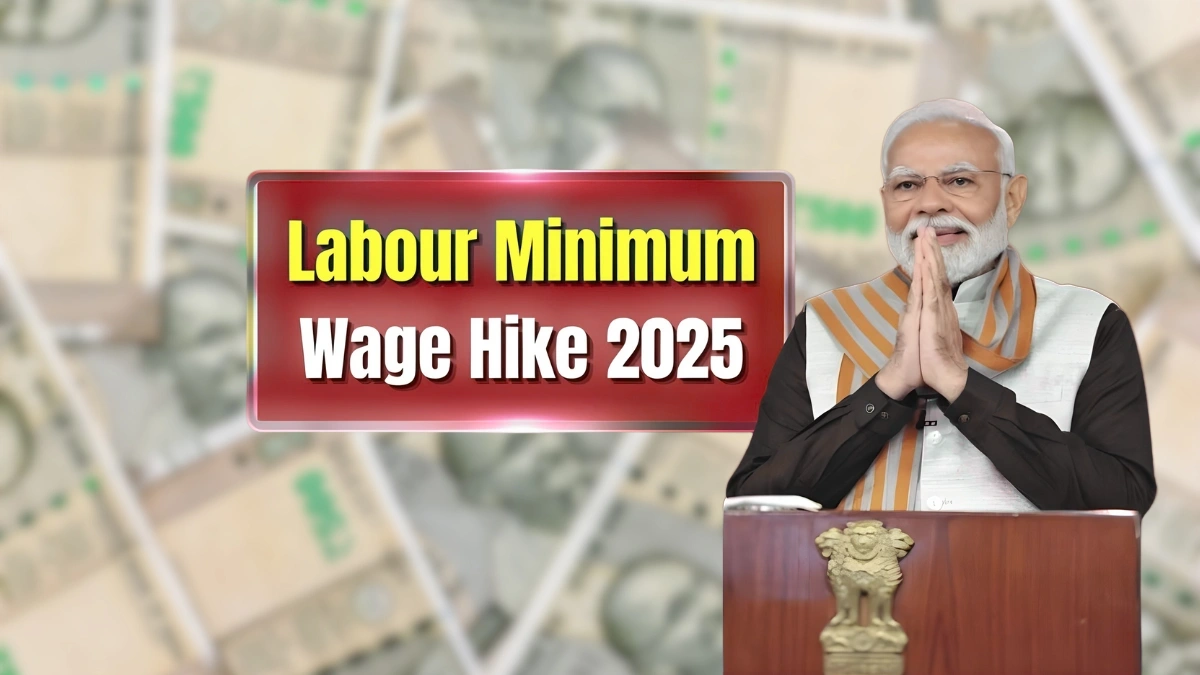
The Labour Minimum Wage Hike 2025 has been officially implemented, bringing relief to millions of workers across India. The revised wages aim to protect workers from rising inflation, improve living standards and ensure fair pay across different job categories and regions. Both organised and unorganised sector workers are covered under the updated minimum wage framework.
Why Minimum Wages Were Revised in 2025
The government periodically revises minimum wages to align earnings with inflation, cost of living and regional price differences. In 2025, rising food prices, housing costs and healthcare expenses made a revision necessary. The hike also supports the goal of wage uniformity and social security for low-income workers.
Who Will Benefit From the Minimum Wage Hike
The new wage rates apply to skilled, semi-skilled and unskilled workers across sectors such as construction, manufacturing, agriculture, security services, domestic work and small industries. Contract workers and daily wage earners are among the biggest beneficiaries.

New Labour Minimum Wage Rates 2025 (Indicative Chart)
| Worker Category | Old Daily Wage | Revised Daily Wage 2025 | Approx Monthly Wage |
|---|---|---|---|
| Unskilled Workers | ₹450 | ₹534 | ₹13,900 |
| Semi-Skilled Workers | ₹500 | ₹590 | ₹15,300 |
| Skilled Workers | ₹550 | ₹688 | ₹17,900 |
| Highly Skilled Workers | ₹650 | ₹820 | ₹21,300 |
Monthly wages are calculated on an average of 26 working days. Actual rates may vary slightly by state and occupation.
State-Wise and Zone-Based Variations
Minimum wages are determined based on zones and states, considering urban, semi-urban and rural differences. Metro and industrial zones generally receive higher rates compared to rural areas. States may issue separate notifications aligning with central guidelines.
Impact on Workers’ Monthly Salary
The revised wages significantly increase take-home income, helping workers manage household expenses better. For daily wage earners, even a ₹80 to ₹150 daily increase translates into meaningful monthly relief.

Employer Responsibilities Under the New Rules
Employers are legally required to pay at least the revised minimum wages. Failure to comply can result in penalties, fines and legal action under labour laws. Wage slips and proper records must be maintained.
How Workers Can Check Applicable Minimum Wage
Workers can check updated rates through state labour department websites, local labour offices or official government notifications. Trade unions and worker welfare boards also provide guidance.
Effect on EPF, ESI and Other Benefits
An increase in basic wages may also raise contributions toward EPF, ESI and other statutory benefits, improving long-term financial security for workers.

One Quick Takeaway Section
The Labour Minimum Wage Hike 2025 raises daily and monthly pay for workers across India, offering better income security amid rising living costs.
Conclusion: The 2025 minimum wage revision is a crucial step toward improving worker welfare and income fairness. While exact figures differ by state and sector, the overall hike strengthens financial stability for millions of workers. Workers and employers alike should stay informed to ensure proper implementation.
Disclaimer: Wage rates mentioned are indicative and based on general central guidelines. Actual minimum wages depend on state notifications and job categories. Workers should verify rates with local labour authorities.
