
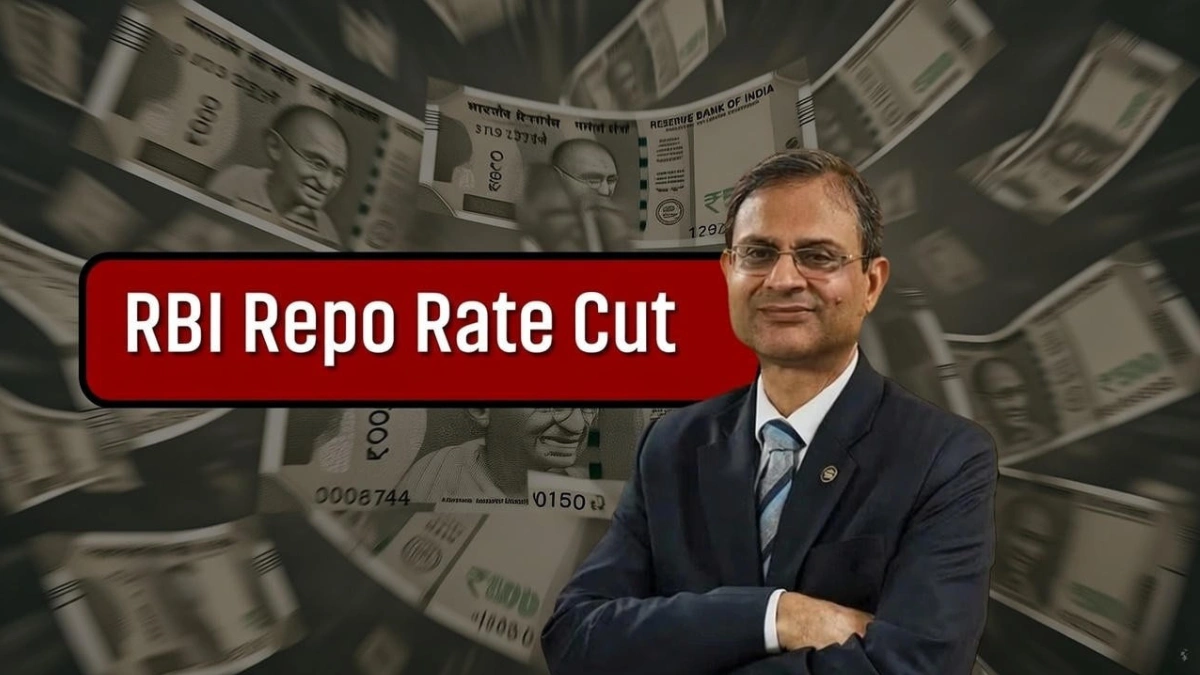
After months of high EMIs and tight household budgets, a major relief signal has emerged for borrowers across the country. The Reserve Bank of India’s decision to cut the repo rate by 0.25 percent is expected to directly benefit millions of Indians with home loans, car loans, and other floating-rate borrowings. This move marks a clear shift toward growth support and could ease financial stress for families, businesses, and first-time borrowers alike.
What the RBI Repo Rate Cut Means in Simple Terms
The repo rate is the interest rate at which the RBI lends money to commercial banks. When the RBI cuts this rate, banks can borrow funds at a lower cost. In turn, banks usually pass on this benefit to customers by reducing lending rates, especially for loans linked to external benchmarks.
A 0.25 percent cut may sound small, but in the lending world, it has a meaningful impact on monthly repayments and long-term interest outgo.
Why RBI Decided to Cut the Repo Rate Now
The decision comes amid easing inflation, stable food prices, and the need to boost consumption and investment. With inflation moving closer to comfort levels, the RBI has gained room to support economic growth without risking price instability.

Lower interest rates encourage borrowing, spending, and business expansion, which are crucial for sustaining momentum in the economy.
How the Repo Rate Cut Will Reduce EMIs
Most new and existing floating-rate loans are linked to external benchmarks such as the repo rate. When the repo rate is reduced, banks revise their lending rates downward, leading to lower EMIs or shorter loan tenures.
| Loan Type | Impact of 0.25% Rate Cut |
|---|---|
| Home Loan | Monthly EMI reduces or tenure shortens |
| Car Loan | Lower interest burden over loan term |
| Personal Loan | Faster relief if repo-linked |
| MSME Loans | Reduced cost of borrowing |
| Education Loan | Easier repayment over time |
Borrowers may either see a direct EMI reduction or a decrease in the overall loan tenure, depending on bank policy.
Who Will Benefit the Most From This Cut
Home loan borrowers stand to gain the most because of large loan sizes and long tenures. Even a small rate cut can translate into thousands of rupees saved over the life of the loan.

New borrowers will also benefit as banks revise their marginal cost-based lending rates, making loans more affordable going forward.
Will All Banks Pass on the Benefit Immediately
While repo-linked loans usually reflect changes quickly, the speed of transmission depends on individual banks. Most major banks update rates within a short period, but borrowers should check with their bank to confirm when the revised rates apply.
Those with older loans not linked to external benchmarks may need to request a rate reset or consider refinancing.
What This Means for the Indian Economy
Lower EMIs leave more disposable income in the hands of consumers. This boosts spending on housing, automobiles, appliances, and services. For businesses, cheaper credit improves cash flow and expansion plans.

The repo rate cut sends a strong signal that monetary policy is now supportive of growth rather than restrictive.
What Borrowers Should Do Now
Borrowers should review their loan agreements to confirm whether their loan is repo-linked. Monitoring revised EMI schedules from banks is also important. For those on fixed or older rate structures, discussing conversion options with the bank may help unlock savings.
Being proactive ensures maximum benefit from the rate cut.
Why This 0.25% Cut Feels Bigger Than It Looks
In an environment where EMIs had risen sharply over the last few years, even a modest cut brings psychological and financial relief. It also raises expectations of further easing if economic conditions allow, making this move especially significant for long-term borrowers.

Conclusion: The RBI repo rate cut of 0.25 percent is set to deliver direct relief to Indian borrowers by reducing EMIs and overall interest burden. From home loans to business credit, this move supports households and fuels economic growth. While the exact benefit will depend on loan type and bank policies, the direction is clearly positive. For millions of Indians, this cut marks the beginning of easier borrowing days ahead.
Disclaimer: This article is for informational purposes only. Actual EMI reductions depend on individual bank policies, loan terms, and benchmark linkages.