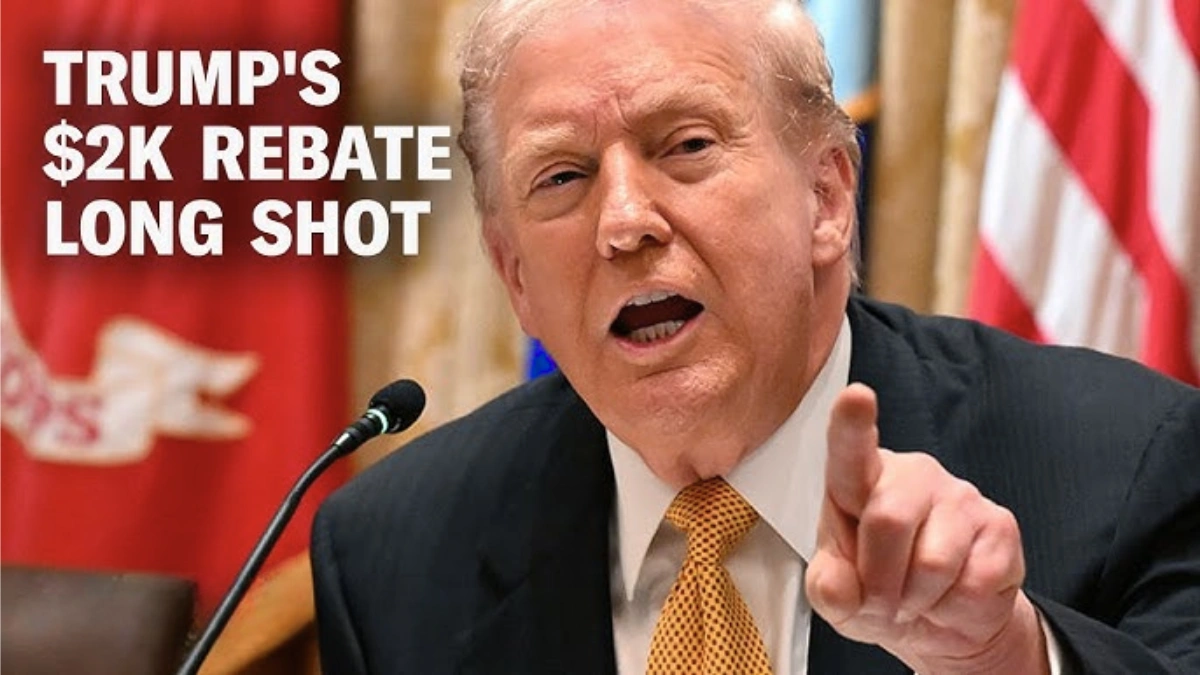
In a bold proposal that has garnered significant attention, former President Donald Trump has unveiled his $2,000 dividend plan, aiming to provide financial relief to low-income Americans. The plan, which promises to pay out $2,000 to eligible citizens, has sparked debates over its feasibility, economic impact, and long-term consequences. Here’s what this proposed plan could mean for individuals and families struggling to make ends meet.
What is the $2,000 Dividend Plan?
Trump’s $2,000 dividend plan proposes distributing direct payments of $2,000 to U.S. citizens, especially targeting those in lower-income brackets. The plan suggests that these payments would be funded through various economic measures, such as revenue from tariffs on foreign goods. The goal is to offer immediate financial relief to struggling households, particularly those who have been hit hardest by economic challenges, inflation, and job insecurity.
While the specifics of the plan are still unfolding, Trump has argued that these payments could stimulate the economy by boosting consumer spending and helping Americans cover essential living costs.

How the $2,000 Dividend Could Benefit Low-Income Americans
For low-income Americans, the $2,000 dividend could offer a much-needed financial boost. Many individuals and families living paycheck to paycheck often face difficulty covering basic needs such as rent, utilities, groceries, and healthcare. The $2,000 dividend could provide some relief, offering an opportunity to pay down debts, cover urgent expenses, or save for the future.
For individuals who have not been able to access sufficient financial support through other programs, such as unemployment benefits or stimulus checks, the $2,000 could serve as a lifeline. This direct payment could also offer a buffer against rising costs, particularly in areas where inflation has sharply increased the price of everyday goods.
Potential Economic Impact: Is the Plan Sustainable?
While the idea of sending out $2,000 checks is appealing, questions remain about the sustainability of this plan. Trump has indicated that the dividend would be funded by tariffs and other economic measures, but critics have raised concerns about the long-term feasibility of such a funding model.

Tariffs, which are taxes on imported goods, often result in higher prices for U.S. consumers. This means that while the government may collect revenue from these tariffs, the increased costs of goods could reduce the purchasing power of low-income Americans, potentially offsetting the benefits of the dividend. Additionally, reliance on tariffs could lead to trade tensions with other nations, possibly resulting in a decrease in global trade and economic instability.
What Are the Political and Legal Challenges?
Trump’s $2,000 dividend plan would require approval from Congress, and its success largely depends on political support. Democrats and Republicans may have differing opinions on the plan, with some arguing that direct payments could contribute to inflation, while others believe they are necessary to support those who are financially vulnerable.
Moreover, there are concerns about the economic effects of funding direct payments through tariffs, which could disrupt industries reliant on foreign imports. Legal challenges could also arise over the long-term impact of using tariff revenues for domestic spending, as some experts argue that this approach may not be sustainable in the long run.

Preparing for the Potential Impact
While it’s still unclear whether Trump’s $2,000 dividend plan will come to fruition, low-income Americans should remain aware of the potential benefits and challenges this proposal could bring. Here are a few things to consider:
- Stay Informed: Keep an eye on news about the plan and any updates from Congress on the approval process. It’s important to understand when and how the $2,000 payments might be distributed, if the plan is approved.
- Financial Planning: If the $2,000 dividend is implemented, consider how best to allocate the funds to meet your most pressing financial needs. Use the money to pay off debts, build an emergency fund, or address essential expenses.
- Monitor Economic Trends: As the plan could affect inflation and tariffs, it’s wise to stay informed about changes in the cost of goods and services. Adjust your spending habits accordingly to minimize the impact of rising prices.
Conclusion
Trump’s $2,000 dividend plan could provide immediate financial relief to low-income Americans, but its sustainability and long-term effects remain uncertain. While the proposal aims to alleviate financial strain, concerns about funding sources, inflation, and political challenges must be addressed before the plan can be fully realized. Low-income families should remain prepared and stay informed as this plan moves through the political process.
Disclaimer: This article provides an overview of the $2,000 dividend plan based on available information. For more detailed advice, consult financial and legal experts.