
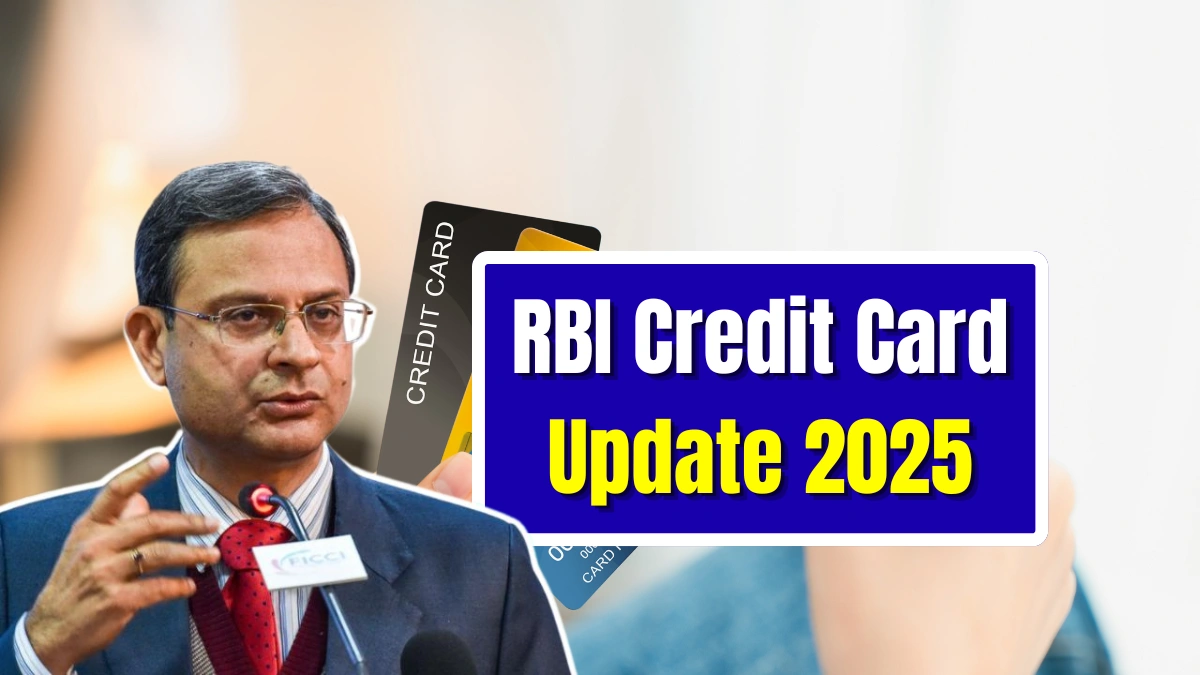
The Reserve Bank of India has announced important changes to credit card overlimit rules for 2025, bringing major relief to customers who often faced unexpected overlimit fees without clear consent. These new regulations aim to protect consumers from hidden charges, strengthen transparency across the banking system and ensure that no cardholder is billed for crossing the limit unless they have explicitly agreed to it. With the number of active credit cards increasing rapidly across the country, the RBI’s updated rules are expected to significantly improve cardholder experience and financial safety.
What the New Overlimit Rules Mean for You
Under the revised norms, banks and credit card issuers can no longer charge customers for transactions that exceed the approved limit unless cardholders have formally opted in for the overlimit facility. This ensures that users do not face unexpected deductions due to automatic approvals of transactions beyond their assigned limit. The RBI has mandated that issuers offer overlimit usage strictly as a customer-controlled service, with full transparency on fees and conditions. This puts the power back in the hands of consumers, allowing them to choose whether they want the flexibility of using their card beyond the approved limit.

How Banks Will Implement the New Rules
Banks must now provide clear communication about the overlimit facility, including how it works, what fees apply and how customers can enable or disable it. The new rules require issuers to obtain documented consent, either digitally or physically, before activating the service. Any overlimit transaction processed without customer approval cannot be charged, and banks must immediately reverse such fees if levied. This shift ensures smoother and more transparent credit card usage while helping customers manage their spending more effectively.
Why RBI Introduced These Changes
The RBI’s revised guidelines come after rising complaints from customers who unknowingly crossed their credit card limits and later faced heavy overlimit penalties. Many users were unaware that their transactions were being approved automatically despite insufficient limit. These complaints highlighted the need for stronger consumer protection regulations. The updated policy ensures fair banking practices and reduces financial stress on credit card users at a time when digital payments and card transactions continue to surge nationwide.

How These Rules Protect Consumers
The new framework gives consumers control over their spending and prevents unexpected charges that previously affected monthly billing cycles. It ensures transparency, eliminates hidden fees and supports responsible credit usage. Cardholders who frequently approach their card limit can opt in consciously, while those who prefer strict limit control can avoid additional fees entirely. The rules also encourage banks to maintain clear communication and follow ethical practices when offering optional financial services.
What Cardholders Should Do Now
Users should check communication from their bank, which may include emails, SMS notifications or app alerts detailing the opt-in process. Customers must confirm whether they want to enable or disable the overlimit option based on their spending habits. Reviewing monthly statements regularly and keeping the credit limit updated helps prevent accidental overlimit transactions. Updating contact details in bank records ensures that customers receive all important notifications regarding the new guidelines.

Conclusion: The RBI’s 2025 credit card overlimit rule change marks a major step toward fairer, more transparent and customer-friendly banking practices. By eliminating unauthorized overlimit charges and requiring explicit consent, the new rules empower cardholders to manage their finances confidently. Staying informed and responding to bank notifications promptly will help customers benefit fully from these protections.
Disclaimer: This article is intended for informational purposes only and does not represent official banking, financial or legal advice. RBI rules, implementation timelines and card issuer policies may vary based on future notifications and regulatory updates. Readers must verify details through their bank, official RBI circulars or certified financial experts before making financial decisions. The author is not responsible for timeline changes, policy updates or misinterpretation of evolving guidelines. Always rely on official government or banking sources for accurate and up-to-date information.
