
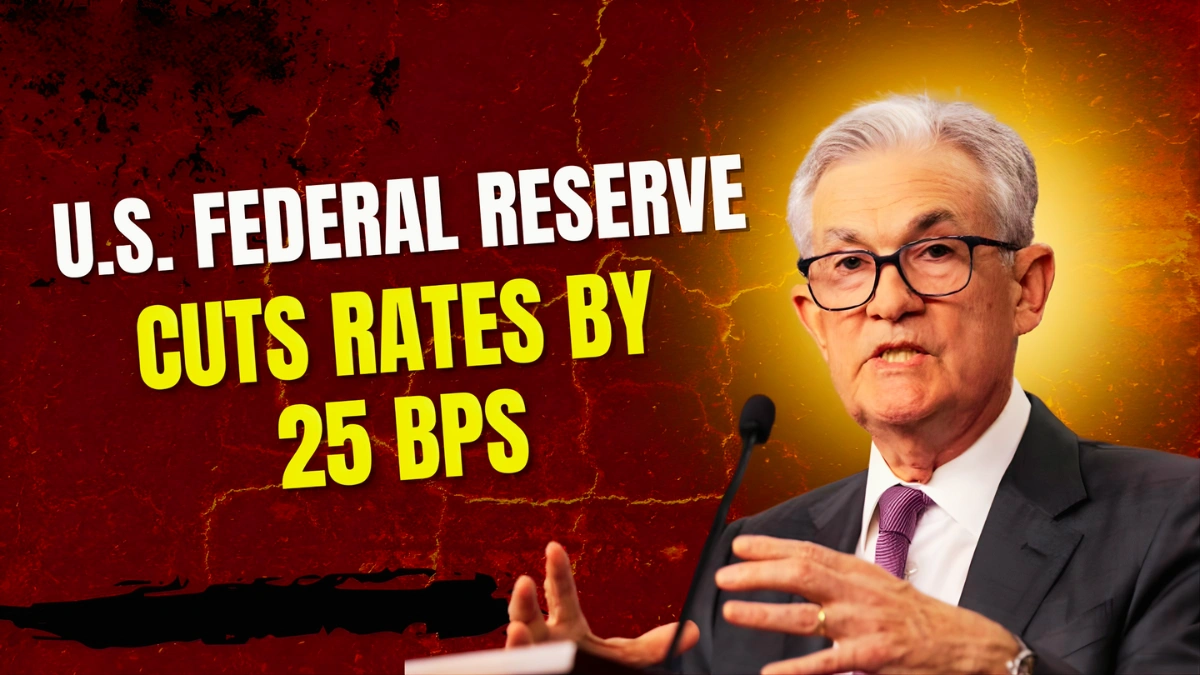
US Federal Reserve Cuts Rates by 25 bps Again: The US Federal Reserve has reduced interest rates by another 25 basis points, marking a continued shift toward a more accommodative monetary stance as the economy approaches 2026. This latest cut reflects the Fed’s focus on stabilizing growth, cooling inflation without triggering a slowdown, and supporting borrowing conditions across sectors. With financial markets reacting immediately and analysts recalibrating their 2026 expectations, the rate cut sets the tone for the economic landscape going forward.
Why the Fed Cut Rates Again
The latest decision comes amid signs of easing inflation, moderate wage growth, and mixed but steady economic indicators. By lowering rates, the Fed aims to reduce financial pressure on households and businesses, keeping credit more accessible. The cut also reflects caution, allowing policymakers to nudge economic activity without overstimulating demand.

Key Highlights of the 25 bps Rate Cut
Here is the only bullet list in this article:
• Federal funds rate lowered by 25 basis points
• Aim to support consumer spending and business investment
• Inflation trends continue to show gradual cooling
• Market expectations shift toward more cuts in early 2026
• Borrowing costs likely to ease across mortgages, loans, and credit markets
How the Rate Cut Affects Consumers and Borrowers
Lower rates typically benefit borrowers through reduced loan payments, cheaper refinancing opportunities, and more affordable credit options. Mortgage rates may see mild downward movement, offering relief to homebuyers. Auto loans, business loans, and personal credit lines may also become slightly more affordable, though banks may adjust based on internal risk assessments.

Impact on Financial Markets and Investments
Equity markets reacted positively to the Fed’s announcement, anticipating improved liquidity and stronger corporate performance. Bond markets saw yields adjust downward as expectations of further easing grew. Investors are now watching for signals on whether the Fed may introduce additional cuts in the coming quarters.
Updated Economic Outlook Heading Into 2026
The Fed’s rate cut aligns with projections that economic growth will remain steady but not overly aggressive. Moderating inflation and stable employment trends support this outlook. The central bank aims to achieve a soft landing, ensuring the economy continues expanding without risking recessionary pressures.

Below is a simple table summarizing the updated economic indicators:
| Indicator | Current Trend | Notes |
|---|---|---|
| Inflation | Cooling Gradually | Still above long-term target but trending downward |
| Employment | Stable | Job growth remains positive |
| GDP Outlook | Moderate Growth | No recession warning signs at present |
| Rate Path | Easing Bias | Additional cuts in 2026 possible |
What Analysts Expect Next
Economists widely believe the Fed may implement one or two additional cuts if inflation continues its downward path. However, policymakers also emphasize caution, stressing that decisions will remain data-driven. The direction of wage growth, consumer spending, and global economic factors will influence the pace of future rate adjustments.

Implications for Businesses and the Broader Economy
Lower borrowing costs can support expansions, hiring decisions, and capital investments. Small businesses, which rely heavily on credit, may benefit significantly. At the same time, the Fed’s tone suggests it is prepared to shift course if inflation resurges, maintaining a balanced approach to economic management.
Conclusion: The US Federal Reserve’s latest 25 bps rate cut signals a continued shift toward stability and support as the nation approaches 2026. By easing borrowing conditions and encouraging moderate growth, the Fed aims to balance inflation control with economic resilience. Markets and households alike will be watching closely as the Fed’s next moves shape the financial landscape of the coming year.

Disclaimer: This article provides general economic insights and may not represent the final policy direction or future rate decisions of the US Federal Reserve.