
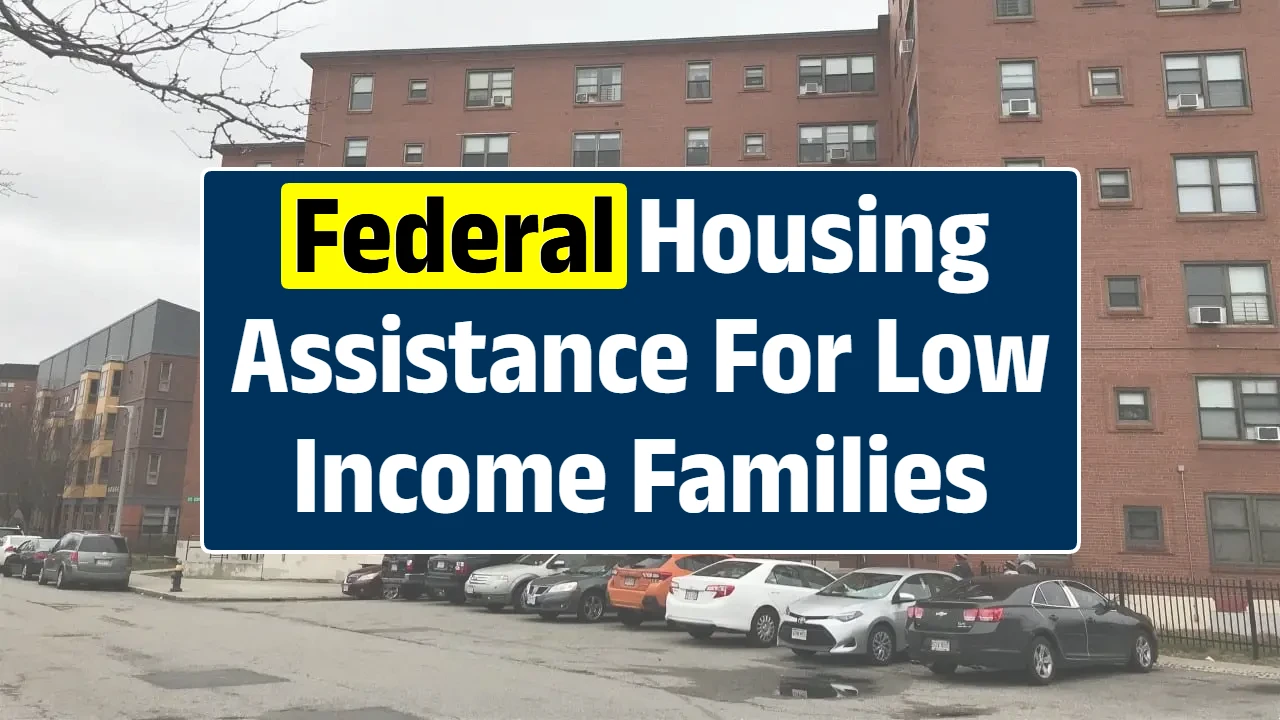
Federal housing assistance programs play a critical role in helping low-income families secure safe, stable, and affordable homes. With rising rent prices and limited housing supply across the United States, programs such as Section 8 Housing Choice Vouchers, Public Housing, and rental assistance grants have become essential resources. Understanding eligibility rules and the step-by-step application process can significantly improve a family’s chances of receiving support.
What Is Federal Housing Assistance?
Federal housing assistance is designed to help eligible low-income households reduce their monthly rent burden. Funds are managed by the U.S. Department of Housing and Urban Development (HUD) and distributed through local Public Housing Agencies (PHAs).
Assistance is typically provided in three main forms:

- Housing Choice Vouchers (Section 8)
- Public Housing Units
- Project-Based Rental Assistance (PBRA)
Each program operates differently, but all aim to make housing more affordable for vulnerable households.
Eligibility Criteria for Federal Housing Assistance
Eligibility is determined by combining income limits, family composition, citizenship status, and rental history. HUD updates income limits yearly to match economic conditions in each county.
Below is the only bullet-point list included in the article:

- Household income must fall within Low-Income (80%), Very Low-Income (50%), or Extremely Low-Income (30%) limits based on area median income
- Applicant must be U.S. citizen or eligible non-citizen
- Background checks must show no disqualifying criminal activity
- PHAs review rental history, including past evictions
- Family must meet household size requirements for the requested unit
- Priority often given to seniors, disabled individuals, and homeless families
Meeting eligibility does not guarantee immediate assistance due to high demand and long waiting lists.
Income Requirements Explained
Income limits vary based on household size and location. The table below provides a simplified example of income thresholds for a typical U.S. county.
Example Income Limits (Hypothetical County)
| Household Size | Extremely Low Income (30%) | Very Low Income (50%) | Low Income (80%) |
|---|---|---|---|
| 1 Person | $18,000 | $30,000 | $48,000 |
| 2 People | $21,000 | $34,500 | $55,000 |
| 3 People | $26,000 | $39,000 | $62,000 |
| 4 People | $30,000 | $44,000 | $69,000 |
Families must fall at or below these levels to qualify for most housing programs.

How to Apply for Federal Housing Assistance
Applying for housing assistance is free, but it requires submitting documents and cooperating with your local PHA. Because waiting lists can be long, early application is recommended.
Step-by-Step Application Process
- Locate your local Public Housing Agency (PHA) through HUD’s directory
- Check waiting list status — some PHAs open lists only at certain times
- Submit the official application with accurate income and household details
- Provide supporting documents such as:
- Income proof
- Identification documents
- Social Security numbers
- Rental history
- Attend eligibility interviews if required
- Wait for notification of approval, placement, or waitlist status
- Once approved, begin searching for housing (for Section 8 vouchers) or wait for unit assignment (for Public Housing)
How Housing Choice Vouchers Work
If approved for Section 8, families receive a voucher covering a portion of their rent. They must find a landlord who accepts vouchers, and the unit must pass a HUD Housing Quality Standards inspection.
Families typically pay 30% of their adjusted monthly income toward rent, with the voucher covering the rest.

Public Housing vs. Section 8: Key Differences
| Feature | Section 8 Vouchers | Public Housing |
|---|---|---|
| Housing Choice | Any approved private rental unit | Government-owned units |
| Rent Portion | 30% of income | 30% of income |
| Waiting Lists | Often longer | Shorter in some areas |
| Flexibility | High | Limited to available units |
Understanding these differences helps families choose the best option when multiple programs are available.
Tips to Improve Your Chances of Approval
- Apply to multiple PHAs in nearby cities or counties
- Keep documents updated and organized
- Check waiting list status regularly
- Respond immediately to PHA requests
- Update your application when income or family size changes
Small steps can speed up processing and reduce delays.
Conclusion
Federal housing assistance remains one of the most important support systems for low-income families facing unaffordable rent. By understanding the eligibility criteria and following the proper application steps, families can increase their chances of securing financial help. While waiting lists may be long, staying proactive and informed can make the process smoother and more successful.

Disclaimer
Income limits, application rules, and waiting list availability vary by location. Always consult your local Public Housing Agency for up-to-date requirements.