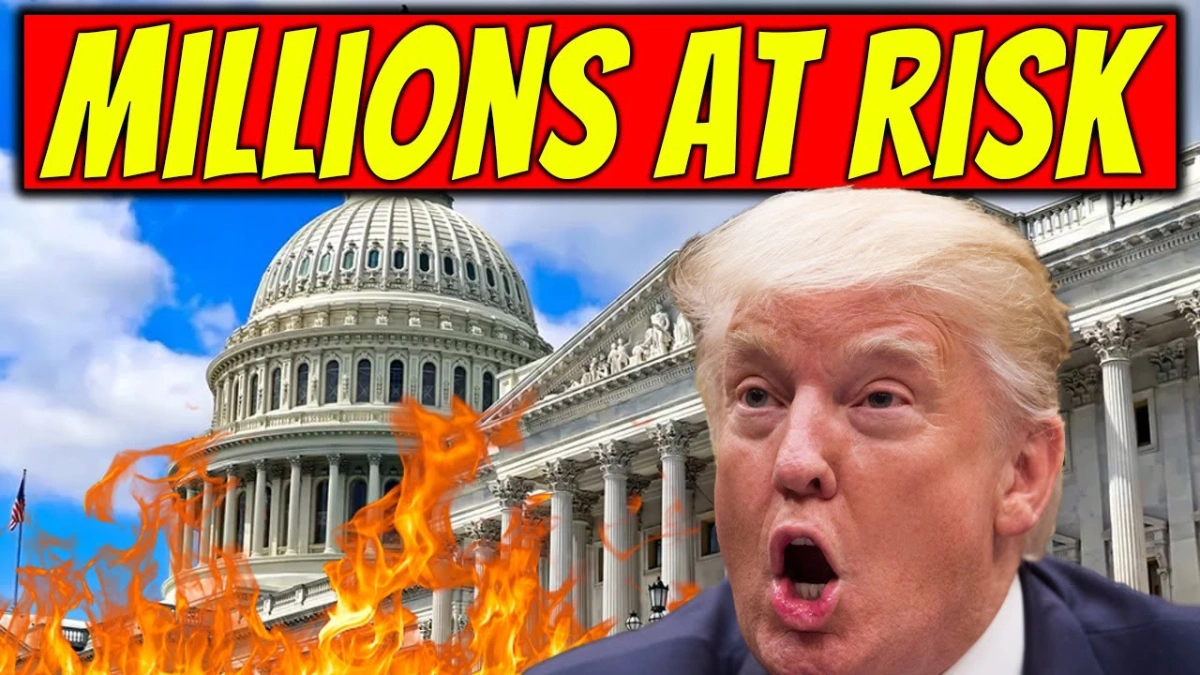
The United States faces the looming threat of a government shutdown after a critical health care deal collapsed in Congress. Lawmakers failed to reach an agreement on funding provisions, putting federal operations at risk. A shutdown could affect a wide range of government services, including public health programs, federal employees’ pay, and essential services relied upon by millions of Americans. Understanding the timeline, impacted sectors, and potential consequences is essential for citizens, federal workers, and businesses.
Overview of the Failed Health Care Deal
The collapsed health care deal was intended to secure funding for key federal programs, including Medicare, Medicaid, and other health initiatives. Lawmakers were unable to reconcile differences on funding levels, coverage provisions, and spending priorities. The failure to pass a continuing resolution or alternative funding measure has placed the government on a path toward a shutdown.

Implications of a Government Shutdown
A shutdown could halt or delay non-essential government operations, affecting federal agencies, regulatory processes, and support services. Key impacts may include furloughs for non-essential federal employees, interruptions to public health programs, delayed social security or benefits processing, and suspended regulatory approvals for businesses and health care providers.
Potential Impacts of a Government Shutdown
| Sector | Possible Impact |
|---|---|
| Federal Employees | Furloughs, delayed paychecks |
| Health Care Programs | Suspended or delayed services (Medicare/Medicaid) |
| Public Services | Closure of national parks, museums, and non-essential offices |
| Regulatory Approvals | Delays in permits, licenses, and approvals |
| Citizens & Businesses | Disrupted social programs, delayed federal contracts, reduced access to services |
Timeline and Urgency
A government shutdown becomes imminent if Congress does not pass a funding bill or continuing resolution before the current funding expires. Negotiations are ongoing, but delays or continued disagreements could trigger a shutdown within days. Lawmakers have emphasized the urgency of reaching a bipartisan compromise to prevent disruption.

What Citizens and Federal Employees Should Do
Federal employees should monitor official communications regarding work status, pay schedules, and furlough procedures. Citizens relying on government services, health programs, or social benefits should prepare for potential delays and plan accordingly. Businesses that depend on federal contracts or approvals should also review contingency plans.
Conclusion: The collapse of the health care deal has heightened the risk of a government shutdown, potentially affecting millions of Americans. Timely legislative action is needed to maintain federal operations, protect employees, and ensure continuity of essential programs. Citizens, businesses, and employees must stay informed about developments and plan for potential disruptions.

Disclaimer: This article is for informational purposes only and does not constitute legal or financial advice. Readers should monitor official government announcements and news sources for updated information on shutdown developments and contingency measures.