
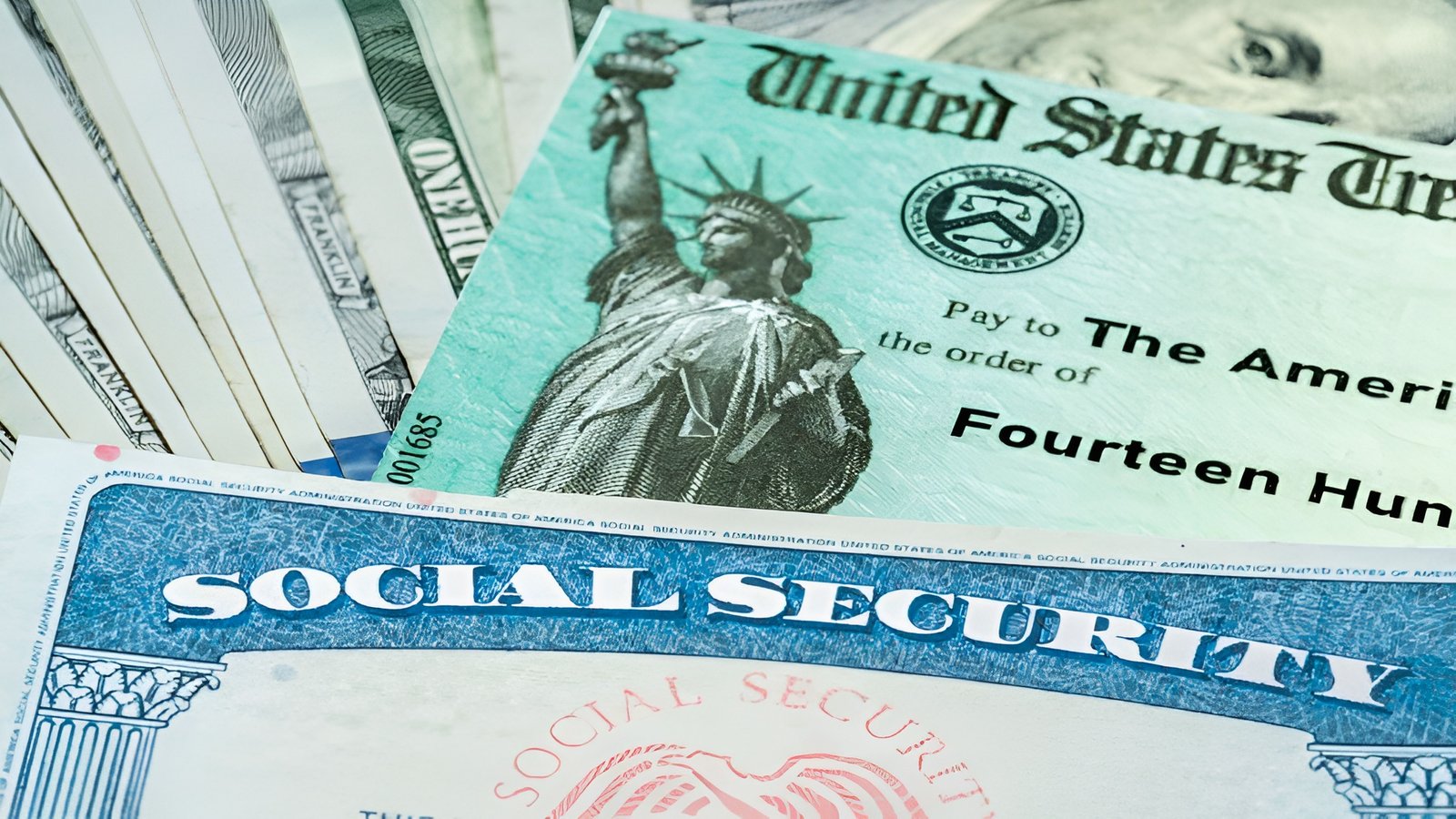
After repeatedly announcing “final” deadlines and urging millions of seniors and disability beneficiaries to switch to direct deposit, the federal government is now quietly backtracking on its plan to eliminate all Social Security paper checks. The shift comes after weeks of confusion, heavy public backlash, and concerns from seniors, rural communities, and individuals without reliable banking access.
The reversal means that paper checks will not be fully discontinued, and certain beneficiaries will still be allowed to receive traditional mailed payments in 2026.
Why the Government Planned to End Paper Checks
For years, Social Security has encouraged recipients to move from mailed checks to direct deposit or prepaid debit cards. Officials argued that digital payments reduce fraud, cut mailing costs, and ensure faster delivery. The agency also cited rising administrative expenses and delays caused by weather, mail volume, and postal system slowdowns.

But the push intensified in late 2025 when officials began issuing warnings that paper checks would soon be phased out entirely.
Why the Government Is Now Pulling Back
After announcing multiple “non-negotiable” deadlines, the administration began quietly signaling a policy shift. Advocacy groups, senior organizations, lawmakers, and financial experts raised concerns that ending paper checks would disproportionately hurt millions who depend on them.
Concerns included:

Biggest concern raised:
- Seniors without bank accounts or digital access would miss or delay essential monthly income.
Who Will Still Be Allowed to Receive Paper Checks in 2026
The new policy adjustment makes exceptions for individuals who face barriers transitioning to digital payments. Instead of a full ban, the government is moving toward a partial phase-out that still protects vulnerable groups.
Who Can Continue Receiving Paper Checks Under the Updated 2026 Plan
| Beneficiary Group | Status Under Updated Rules |
|---|---|
| Seniors without bank accounts | Allowed to continue receiving mailed checks |
| Residents in rural or low-connectivity areas | Eligible for continued paper payments |
| Individuals with disabilities limiting digital access | Exempted from mandatory direct deposit |
| New retirees choosing digital payment | Encouraged but not forced to switch |
Why Seniors Pushed Back So Strongly
For many older Americans, paper checks are not simply a payment method — they are a trusted, familiar, and predictable way to manage finances. Seniors raised issues such as:
Loss of control over when payments appear
Lack of comfort with online banking
Fear of fraud or identity theft
Limited transportation to banks

With millions of older Americans still unbanked or underbanked, immediate digital-only payments presented significant risks.
What This Means for Social Security Recipients in 2026
The updated policy provides stability for beneficiaries who rely on the traditional system, while still encouraging digital adoption among those who prefer it. Direct deposit remains the fastest and safest option for most recipients, but paper checks will stay available for people who genuinely need them.
Officials are expected to continue promoting digital systems without setting aggressive or mandatory cutoff dates.

Will Paper Checks Ever Fully End?
While a complete phase-out remains a long-term goal, the government’s latest retreat suggests it may take years — not months. Any future elimination will likely include softer deadlines, broader exemptions, and clearer communication to avoid the confusion seen in 2025.
What Recipients Should Do Now
Beneficiaries should confirm their preferred payment method and ensure their mailing or banking information is accurate. Those who prefer paper checks do not need to make immediate changes unless they specifically choose to switch to digital payments.
Conclusion: After intense public pressure and widespread confusion, the government has stepped back from its plan to end Social Security paper checks entirely. The updated 2026 rules protect seniors, rural residents, and vulnerable groups who rely on mailed payments while still promoting digital transition over time. Recipients can now feel more secure knowing paper checks remain an option.

Disclaimer: This article provides general informational coverage only. Payment policies may change as federal agencies finalize 2026 procedures. Always check official Social Security communications for the most accurate updates.