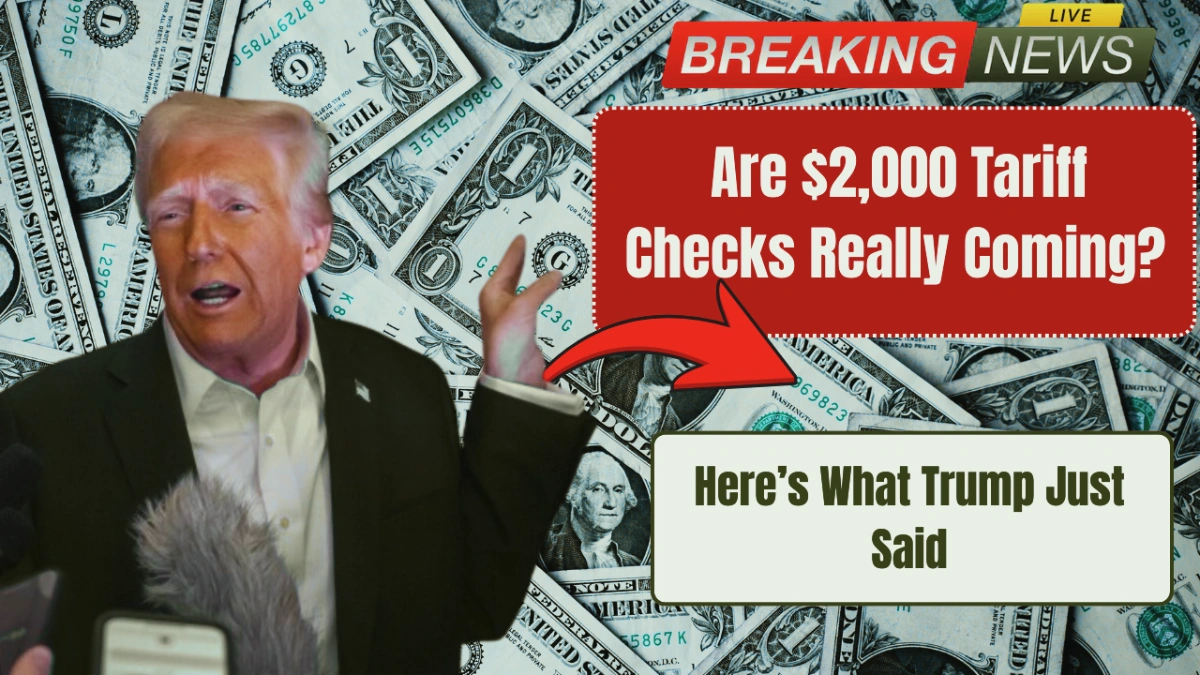
In a bold move that has captured the attention of Americans, former President Donald Trump has promised to send out $2,000 checks to citizens, claiming that the payments will be funded by tariffs on foreign goods. This announcement has raised many questions about the feasibility of such a plan and its potential impact on the economy. Let’s break down what Trump said and whether $2,000 checks are actually coming.
What Trump Proposed: The $2,000 Tariff Check
Trump’s proposal revolves around the idea of imposing tariffs on foreign imports, particularly goods from China, and using the proceeds from these tariffs to fund direct payments to U.S. citizens. According to Trump, these checks would be sent to individuals to help boost consumer spending and support the American economy, especially in light of the ongoing challenges posed by inflation and supply chain disruptions.

Trump’s supporters argue that the $2,000 checks will provide immediate relief to families struggling with rising costs. However, critics have raised concerns about how this plan would work in practice, and whether it is financially viable.
The Feasibility of $2,000 Checks
While the concept of using tariff revenues to fund direct payments to citizens sounds appealing, there are several challenges associated with implementing this plan. First, the amount of revenue generated by tariffs may not be sufficient to cover the cost of sending out $2,000 checks to millions of Americans. The U.S. government collects billions in tariff revenue each year, but this is often far less than what would be needed to fund a national direct payment program on the scale of $2,000 per citizen.
Additionally, tariffs can have negative consequences on U.S. consumers and businesses. When foreign goods are taxed, the costs are typically passed down to American consumers in the form of higher prices. This could result in inflationary pressures, potentially offsetting the intended benefits of the $2,000 checks.
Political and Legal Challenges
Even if the plan is financially feasible, there are political and legal hurdles that could prevent it from coming to fruition. Trump’s proposal would likely face significant opposition in Congress, where lawmakers would need to approve any new spending or tariff policies. Furthermore, there are concerns about the long-term impact of relying on tariff revenues to fund domestic spending. Critics argue that this could lead to trade wars and further destabilize international trade relations.

What’s Next: Will the $2,000 Checks Happen?
At this point, it’s unclear whether the $2,000 checks will actually materialize. While Trump has made bold promises, there is no clear timeline or detailed plan for how the checks would be distributed. Additionally, with the current political landscape, it is uncertain whether Congress will be willing to back such a proposal, especially given the potential economic consequences of relying on tariff revenues.
Conclusion
While Trump’s $2,000 tariff check proposal has generated excitement among some, the reality of such payments coming to fruition is uncertain. The plan faces financial, political, and legal challenges that may prevent it from becoming a reality. Americans will need to stay tuned as the situation develops and watch for any official announcements regarding the potential for these checks.

Disclaimer:
This article reflects the most current updates available at the time of writing. Financial and political factors may change, and individuals should monitor government sources for the latest developments on this issue.