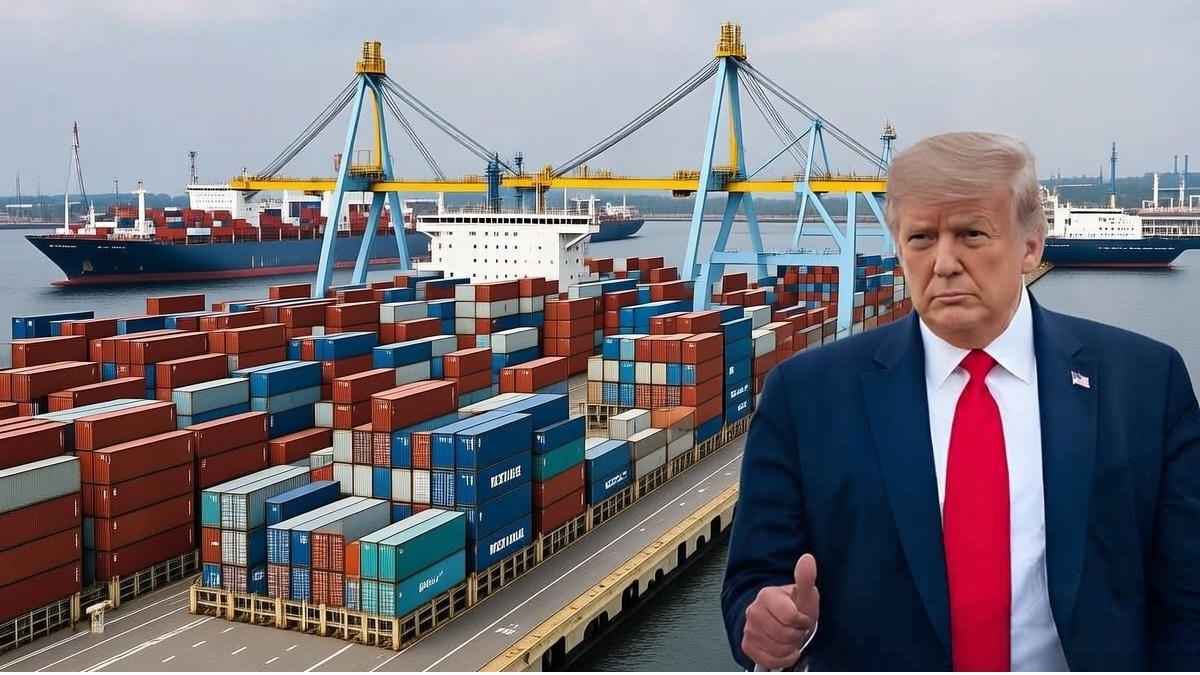
Former President Donald Trump has repeatedly argued that tariffs strengthened the United States, claiming they made the country richer, more powerful, and safer. However, leaders across the country and many economic indicators suggest a different experience for everyday Americans. Rising prices, squeezed household budgets, and growing cost pressures have fueled debate over whether tariffs delivered broad economic benefits or shifted the burden onto consumers.
What Trump Argues About Tariffs
Trump has framed tariffs as a tool to protect American industries, generate government revenue, and reduce reliance on foreign goods. According to this view, tariffs help domestic producers compete, strengthen national security, and contribute to overall economic resilience. Supporters argue that tariffs send a strong message in global trade negotiations and protect U.S. jobs.

What the Economic Data Shows
While tariffs do bring in revenue, multiple economic studies indicate that the costs are largely passed on to consumers. Import taxes often translate into higher prices for everyday goods, including electronics, clothing, appliances, and household items. As a result, many families feel financial strain rather than relief.
Below is the only bullet-point list included in the article:

- Higher prices for imported and import-dependent goods
- Increased household expenses throughout the year
- Pressure on small businesses facing higher input costs
- Slower wage growth compared to rising living costs
- Disproportionate impact on lower-income households
- Reduced consumer confidence due to price uncertainty
These effects help explain why many local leaders report growing frustration among residents.
Impact on Inflation and Purchasing Power
Tariffs tend to push prices upward, contributing to inflation in specific sectors. Even modest price increases can erode purchasing power, especially for families already struggling with housing, healthcare, and energy costs. When wages do not rise at the same pace as prices, households feel poorer despite stable employment numbers.

Table: Tariffs — Claims vs. Household Impact
| Area | Political Claim | Data-Driven Outcome |
|---|---|---|
| Government Revenue | Strengthens finances | Revenue is limited relative to total costs |
| Consumer Prices | Minimal impact | Prices rise on many everyday goods |
| Household Budgets | Increased prosperity | Higher annual expenses for families |
| Economic Growth | Long-term strength | Potential drag on growth |
| Income Equality | Job protection | Greater burden on lower-income households |
Effects on Businesses and Local Economies
Tariffs also affect businesses that rely on global supply chains. Many small and mid-sized companies face higher production costs, forcing them to raise prices or cut back on hiring and investment. In export-heavy regions, retaliatory tariffs from other countries can reduce demand for U.S. products, adding further pressure to local economies.
Why Leaders Say Families Are Struggling
State and local leaders point to rising costs of living and reduced financial flexibility as evidence that tariffs have not translated into widespread prosperity. For many households, higher grocery bills, increased retail prices, and tighter monthly budgets outweigh any indirect benefits tariffs may provide to certain industries.

Conclusion
Trump’s claim that tariffs made America richer and stronger reflects one perspective on trade policy, but economic data paints a more complex picture. While tariffs can protect specific sectors and generate revenue, they also raise consumer prices and strain household finances. For many U.S. families, the reality has been higher costs and reduced purchasing power rather than economic relief.
Disclaimer: Economic impacts vary based on policy design, market conditions, and global responses. Outcomes may change as trade policies evolve.