
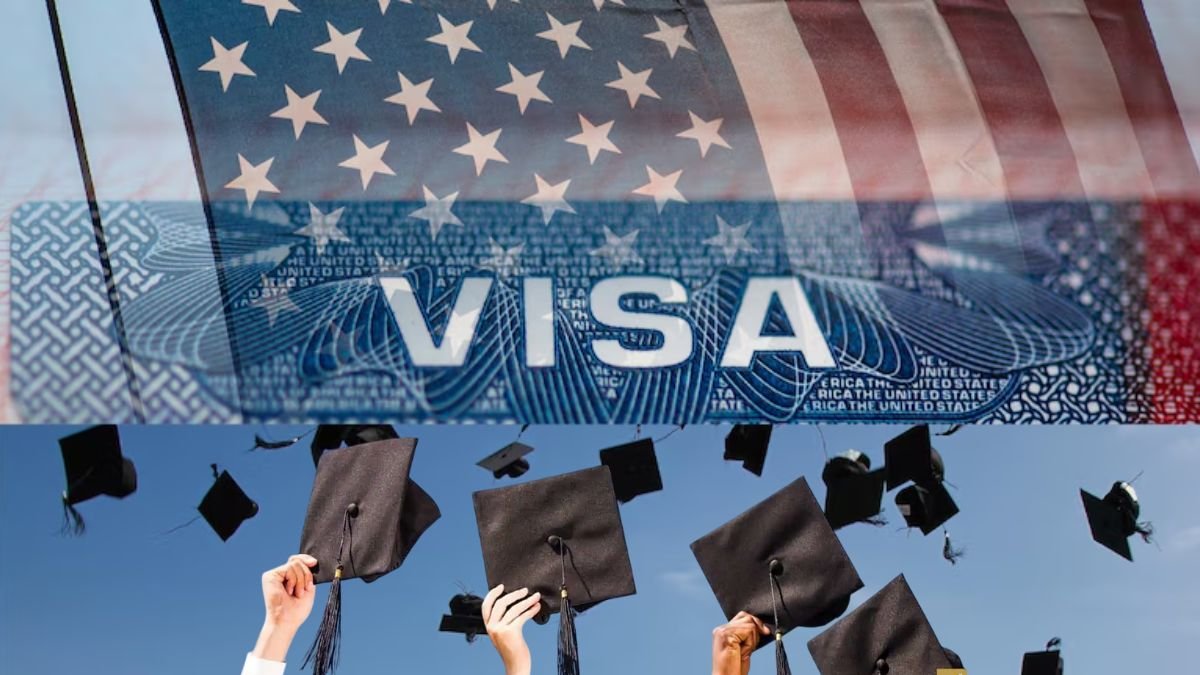
Trump’s New 2026 Student Visa Rules: The United States is preparing for one of the most significant student visa policy shifts in years as former President Donald Trump announces major rule changes affecting F-1, J-1, and M-1 visa holders. These updates are positioned to reshape how international students enter, study, and remain in the U.S. beginning in 2026. With millions of students worldwide relying on American visas for education and training, the new policies are expected to have a widespread impact on admissions, universities, and long-term career plans.
What the New U.S. Student Visa Rule Means for 2026
The updated policy introduces stricter requirements, enhanced screening procedures, and new limitations on visa duration. The goal of the new rule is to tighten immigration oversight, reduce overstays, and ensure greater compliance with visa conditions. Students applying for F-1 academic programs, J-1 exchange programs, and M-1 vocational training programs will be required to meet updated eligibility standards.
Stricter Eligibility Rules for F-1 Academic Students
Under the new proposal, students applying for F-1 visas must provide stronger evidence of financial stability, academic intention, and ties to their home country. The rule aims to prevent misuse of student visas for long-term residency without proper authorization. Universities may also face new reporting obligations to verify student attendance and academic performance.
One major expected change:
- F-1 students may face tighter checks on financial resources, academic plans, and intent to return home after program completion.
New Compliance and Monitoring Rules for J-1 Exchange Students
J-1 visa holders, including research scholars, trainees, teachers, and interns, will see increased documentation requirements. The rule highlights enhanced security vetting and potential restrictions on program duration. Host organizations and universities will need stricter monitoring systems to track J-1 student activities and maintain compliance throughout the exchange period.

Updated Restrictions for M-1 Vocational Students
M-1 students enrolled in technical or trade-based programs will face changes related to work permissions and program transfers. The new rule may limit certain training extensions and enforce tighter oversight on non-academic programs. Students planning to pursue vocational training in the U.S. must meet updated certification and attendance standards for their chosen institutions.
Overview of Key Changes for F-1, J-1, and M-1 Students
| Visa Type | Current System | New 2026 Rule Impact |
|---|---|---|
| F-1 Academic Visa | Duration based on program and good standing | Stricter financial proof and stronger home-country ties required |
| J-1 Exchange Visa | Flexible program lengths | Increased documentation, tighter sponsor reporting |
| M-1 Vocational Visa | Limited training extensions | More restrictions on work permissions and program transfers |
How the New Rules Affect International Students and Universities
International students may face longer processing times, higher documentation workloads, and stricter admission checks. Universities and colleges will need updated systems for reporting attendance, status changes, and student records to immigration authorities. Some institutions may experience temporary drops in international enrolment due to the policy shift.

For students already in the U.S., the new rules emphasize compliance. Maintaining full-time enrollment, accurate records, and timely renewals will become more critical than ever.
Will the Rules Change Work Opportunities for Students?
While full details are still emerging, work-related provisions such as Optional Practical Training (OPT) may come under review. F-1 students hoping for post-graduation employment may need to prepare for additional steps or reduced eligibility windows. J-1 and M-1 work permissions will be more tightly regulated under the updated policy framework.

What Students Should Do Before Applying for 2026
Prospective students planning to apply for U.S. visas in 2026 should begin preparing early. Updated financial documents, stronger academic proof, English proficiency records, and clear post-graduation plans will be essential. Staying in close contact with designated school officials will help applicants maintain compliance with the new process.
Conclusion: The newly announced student visa rules mark a major shift in U.S. immigration policy for F-1, J-1, and M-1 visa categories. With stricter documentation standards, enhanced monitoring, and potential work-related adjustments, international students must prepare carefully for the 2026 application process. Universities and exchange programs will also need to upgrade their compliance systems to meet new requirements. Staying informed and planning ahead will be crucial for anyone hoping to study or train in the United States under the updated visa structure.

Disclaimer: This article provides general informational coverage and does not represent official government policy details. Final rules may differ once officially published. Students should consult official U.S. immigration sources or educational institutions for the most accurate and updated visa requirements.