
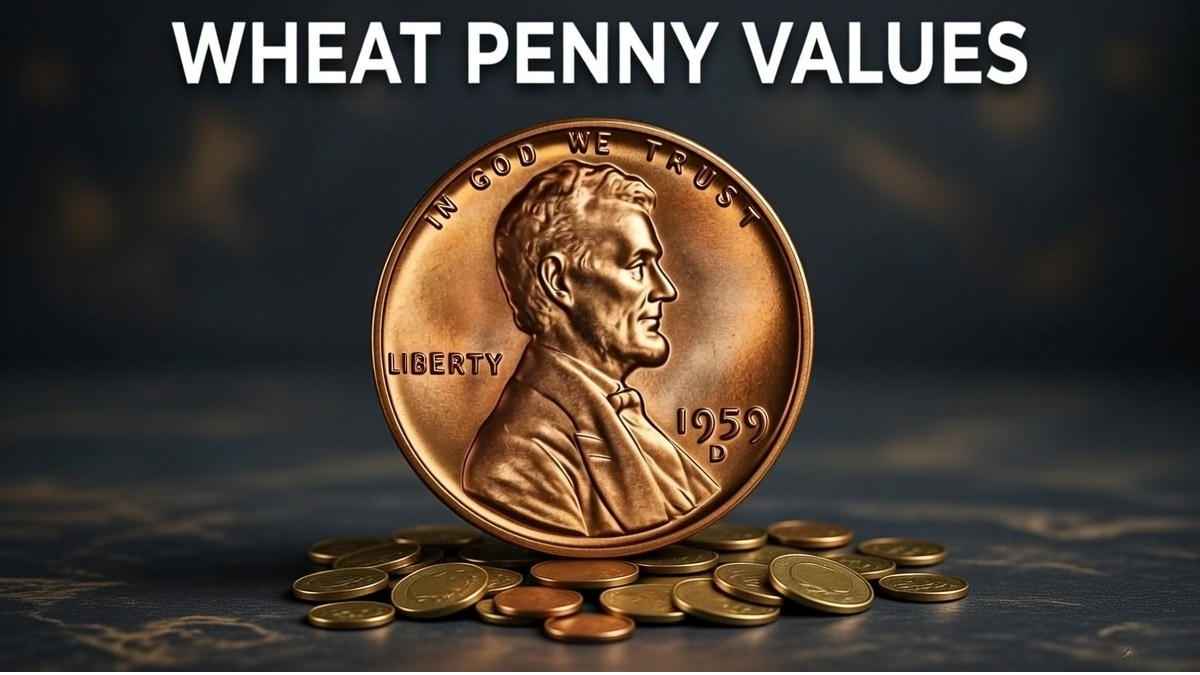
Wheat pennies from 1909 to 1940 remain among the most collected U.S. coins, with some early-era varieties selling for hundreds or even thousands of dollars in 2026. Whether you’re a beginner coin hunter or an experienced collector, knowing which dates, mint marks, and errors carry the highest value is essential. This guide offers a clear, Google Discover–friendly overview of Wheat penny prices, key rarity indicators, and what makes certain coins far more valuable than others.
Why Early Wheat Pennies Are So Valuable
The Wheat cent series began in 1909 to honor Abraham Lincoln’s 100th birthday and continued until 1958. Early-era Wheat pennies are especially prized because:
- Many were produced in low quantities
- Several have rare mint marks and dramatic mint errors
- Survivability in high grades is low due to heavy circulation
Collectors focus most intensely on the 1909–1940 period because it includes some of the rarest and most historically significant pennies ever minted.

Wheat Penny Price Chart (1909–1940)
Below is a simplified table of the most notable Wheat pennies from the early era, including approximate collector values for circulated and higher-grade examples in 2026.
Table: Early Wheat Penny Value Chart 1909–1940
| Year & Mint Mark | Key Feature | Estimated Value (Circulated–High Grade) |
|---|---|---|
| 1909-S VDB | Famous low-mintage key date | $700–$3,500+ |
| 1909-S | Scarce early San Francisco issue | $100–$950 |
| 1909 VDB (Philadelphia) | Popular variety with initials | $10–$150 |
| 1910-S | Lower mintage | $25–$400 |
| 1911-S | Scarce in higher grades | $35–$550 |
| 1914-D | One of the top rare dates | $200–$5,500+ |
| 1917 Double Die Obverse | Strong doubling | $150–$4,000+ |
| 1922 No D (Strong Reverse) | Rare no-mintmark variety | $500–$8,000+ |
| 1924-S | Key semi-key date | $30–$800 |
| 1931-S | Low mintage | $70–$400 |
| 1936 Double Die | Recognizable DDO | $40–$1,000+ |
| 1940-S | Common but collectible in high grades | $2–$40 |
Values vary based on condition, scarcity, and market demand. Mint-state examples (MS65–MS67) can sell for significantly more.
What Makes Some Wheat Pennies Worth a Fortune?
Early Wheat pennies reach high values due to a combination of rarity, collector demand, and minting anomalies. The most important value factors include:

- Low mintages such as 1909-S and 1931-S
- Rare errors, especially the 1922 No D and various Double Dies
- Original red luster, which boosts value dramatically
- Strong strikes and eye appeal
Coins that survived with minimal wear are significantly more valuable than heavily circulated examples.
Identifying Rare Wheat Penny Mint Marks
Mint marks are crucial for identifying valuable Wheat pennies. Look for tiny letters just below the date:
- S – San Francisco
- D – Denver
- No mint mark – Philadelphia
San Francisco mint pennies before 1935 often have smaller outputs, making them highly collected today.

Why Condition Matters More Than Most New Collectors Realize
A 1914-D Wheat penny in poor condition may be worth a few hundred dollars, but the same coin in AU or mint-state condition can bring thousands at auction. Professional grading from PCGS or NGC significantly increases market value for rare dates.
High-grade coins with strong details, original luster, and minimal marks command the highest prices.
Key Wheat Penny Error Coins Worth Checking For
Some early Wheat pennies become extremely valuable because of mint mistakes. The most sought-after include:

- 1917 Double Die Obverse
- 1922 No D (Die Pair 2)
- 1936 Double Die
- Off-center strikes and clipped planchets
These errors can turn ordinary-looking pennies into rare finds worth hundreds or thousands.
Where People Still Find Valuable Wheat Pennies Today
Early Wheat pennies continue to appear in:
- Old coin jars and inherited collections
- Antique shops and flea markets
- Bank coin rolls
- Estate sales
- Random pocket change (rare but possible)
Many valuable Wheat pennies were saved by earlier generations and occasionally re-enter circulation.

Conclusion: Wheat pennies from 1909 to 1940 remain one of the most exciting categories for collectors, with several early-era coins carrying significant value in 2026. Whether you’re searching for key dates like the 1909-S VDB or rare errors such as the 1922 No D, understanding mint marks, condition, and rarity will help you spot valuable coins in the wild. With proper knowledge, even a simple penny hunt can turn into a surprising discovery.
Disclaimer: This article provides general numismatic information only. Values vary widely depending on condition, authenticity, grading, and market demand. Always consult professional coin dealers or grading services for precise valuation.